

What Soft Plastics Catch Bass in the Fall in Northern California?
Follow the shad: baits, rigs and depths for October to December

In the fall, Northern California bass follow the shad, so match them. On the Delta, fish a wacky or Texas-rigged 5" Stick Bait in Green Pumpkin on outside grass edges and tule points in 5–10 feet, timed to moving tide. On the Mother Lode lakes, follow the bait into the backs of coves, and drag a 5" Neko or drop-shot Finesse Worm in Green Pumpkin or Morning Dawn at 15–25 feet on points for the fish that stay out.
- Months
- Oct – early Dec
- Water temp
- 70s → upper 50s
- Delta depth
- 2–10 ft
- Lake depth
- 15–25 ft
- Bait size
- 3–5"
When fall starts
Fall isn't a date on the calendar. It starts when the water cools. A good rule: the fall pattern kicks in once the surface temperature drops about 10 degrees below the summer high. Cool nights and the first fronts in late September and October set it off. In Northern California, it runs from October through November and into early December.
Water falls from the 70s into the high 50s over that stretch. Bass feed hard the whole way down. Western Outdoor News calls late September through November an "all-you-can-eat buffet."
Rule #1: find the shad
Cooling water pulls threadfin shad into creek arms and shallower water. The bass go with them. When there's bait around, the bass are usually close.
- Bait size: 3–5 inches, matching the shad.
- Color: natural shad tones when bass are on bait; green pumpkin and craw colors on the bottom.
- Speed: moderate early in fall, slower as the water drops into the 50s.
Fall on the California Delta
Where they are: outside edges of submerged grass in 5–10 feet, tule points with current, riprap, and brush along grass lines. In mid-October 2026, local reports had bass on outside weed edges at 6–8 feet as baitfish moved through. Better largemouth were on tule-island flats in 2–4 feet near current.
When to fish: moving water. The switch from slack to moving tide is the main feeding window, and the first hour of the outgoing tide has been best this fall. Slack tide is slow.
- Wacky-rigged 5" Stick Bait on grass edges on calm days. Let it fall on a slack line.
- Texas-rigged Stick Bait or Baby Hawg pitched to riprap and isolated tules on a slow incoming tide. 1/4–3/8 oz in open water, 1/2 oz into tules.
- Punch a 4" Baby Hawg into matted grass for bigger fish once the early bite slows. 1 to 1-1/2 oz tungsten on braid.
- Colors: Green Pumpkin and craw tones. Go darker when the water's dirty.
Fall on the Mother Lode lakes
New Melones, Don Pedro and McClure turn on in the fall. Spotted bass dominate at Melones and McClure. Don Pedro leans largemouth. Look for two groups of fish:
- Bait chasers push into the backs of coves and creek arms with the shad. As one local report put it this month at New Melones: "shad move to the backs of the coves in fall, and the fish follow."
- Structure fish stay on main-lake rocky points, timber, stumps and ledges at 15–25 feet.
- 5" Neko on points and ledges. Drag it slow and pause often.
- Drop-shot Finesse Worm for fish holding near the bottom. Keep the shaking to a minimum.
- Shaky head with a Finesse Worm, dragged slow on rock.
- 4" Paddle Tail on a 3/8 oz jighead, retrieved under the shad schools, not through them.
- Terp Minnow fished weightless or on a light head when bass are busting bait on top but won't eat a hard bait.
Colors: Green Pumpkin and Ringo's Gift for a natural look on the bottom. Purple Haze and Morning Dawn have both produced on our home lakes this year on the Neko and Finesse Worm. Use them as a different look when the fish have seen a lot of green.
What changes the fall bite
Three things can flip the bite overnight. Here's how to adjust.
Turnover
As water passes from the low 60s into the upper 50s, lakes mix and main-lake fish scatter for one to two weeks. Head up the creeks and slow down with a wacky Stick Bait or Texas rig.
Cold fronts
A front shuts fish down for a day or two. Go smaller, go slower, and fish tighter to cover.
Wind
Wind pushes plankton, then shad, then bass onto wind-blown points and banks. Fish the windy side.
JCB picks

5" Stick Bait
$6.99Wacky or Texas rigged. Let it fall on a slack line.

4" Baby Hawg
$6.99Punch it with 1–1.5 oz tungsten, or pitch it to tules.

5" Neko
$6.99Neko rigged. Drag it slow and pause often.

6" Finesse Worm
$6.99Drop shot or shaky head. Keep the shaking to a minimum.

4" Paddle Tail
$6.993/8 oz jighead, retrieved under the bait, not through it.
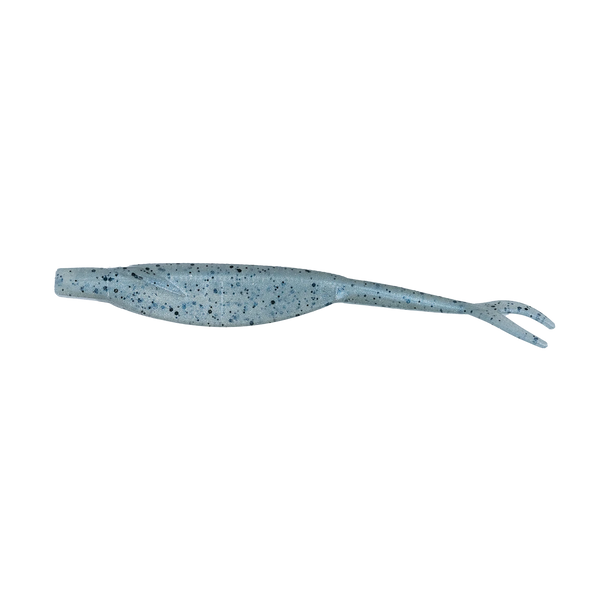
Terp Minnow
$6.99Weightless or on a light head when bass won't eat a hard bait.
On the water

- Water
- New Melones
- Depth
- 15 ft
- Water temp
- Mid 60's
- Bait
- 5" Midnight Blue Stick bait on a 3/8 darter head jig
Related questions
What depth are bass in the fall in Northern California?
Delta bass are mostly 2–10 feet on grass edges, tule flats and riprap. Mother Lode spotted bass hold 15–25 feet on points and timber, while some push shallow into coves after shad.
What's the best fall color for bass?
Match the shad when bass are on bait. Use green pumpkin and craw tones on the bottom. Go darker in dirty water.
What is fall turnover, and how long does it last?
Turnover is when the lake's surface and bottom water mix as it cools. It scatters bass for about one to two weeks. Fish the creek arms and slow down.
Is the California Delta good for bass in November?
Yes. Fishing stays good through October, and fish still bite in cool, foggy November. Plan around the tide.